Get Drainage Pump Installation
Drainage pump installation services help property owners prevent flooding and water damage by installing pumps for basements, yards, or drainage systems, handled by local contractors.
Drainage pump installation is an essential service for property owners looking to effectively manage water and prevent flooding issues. Whether dealing with persistent dampness, poor drainage, or planning improvements to protect your property, professional installation ensures the system functions reliably and efficiently. Local contractors experienced in drainage solutions can provide tailored advice and quality workmanship to help maintain the integrity of your property’s drainage infrastructure.
Exploring your options for drainage pump services involves comparing local providers who understand the unique needs of your area. Proper planning and choosing the right professionals can make a significant difference in the long-term performance of your drainage system. Keep reading to discover how trusted service providers can assist with your project, offering expertise to support your property’s water management needs.
- Basement Drainage Pump Installation - needed when managing excess water in underground spaces to prevent flooding.
- Stormwater Pump Setup - required during heavy rain events to efficiently remove surface water from outdoor areas.
- Sump Pump Installation - essential for homes prone to basement flooding or high water table issues.
- Commercial Drainage Pump Services - necessary for large-scale facilities to maintain proper drainage and prevent water accumulation.
- Emergency Drainage Pump Repairs - sought when existing systems fail or experience operational issues during critical weather conditions.
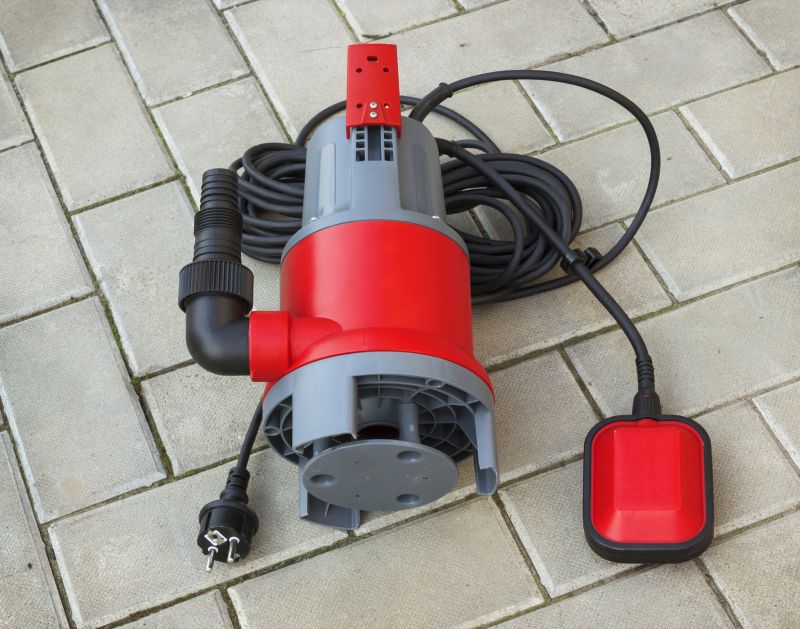
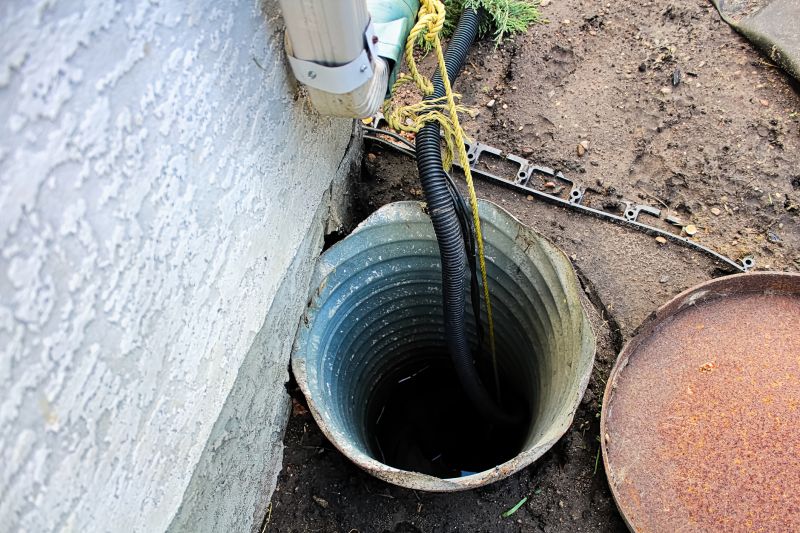
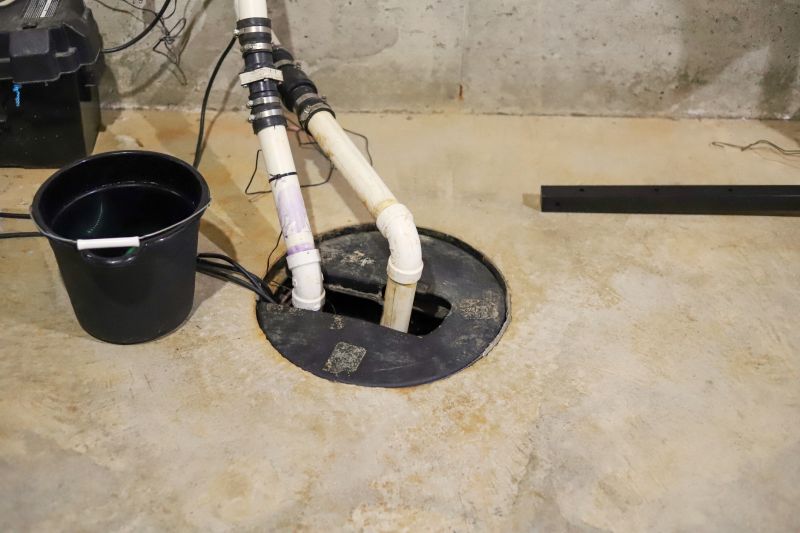
Drainage pump installation services involve setting up specialized equipment designed to move excess water away from a property efficiently. These systems typically include pumps that are installed in basements, yards, or other low-lying areas where water tends to collect. The process involves assessing the property’s drainage needs, selecting the appropriate pump type, and professionally installing the system to ensure it functions reliably during heavy rain or flooding events. Proper installation helps prevent water accumulation that can lead to property damage, mold growth, and structural issues, providing homeowners with a more secure and dry environment.
This service is essential for addressing common drainage problems such as basement flooding, water pooling in yards, or poor drainage around foundations. When heavy rain or rapid snowmelt overwhelms existing drainage pathways, a drainage pump can help divert water away from the property before it causes damage. It is also useful in areas prone to standing water after storms, or where natural drainage is inadequate. Installing a drainage pump provides a proactive solution to protect the property’s foundation, reduce water-related repairs, and maintain a dry, safe living space.
Properties that typically benefit from drainage pump installation include homes with basements or lower-level living spaces, properties located in flood-prone regions, and properties with poor natural drainage. Commercial buildings, agricultural properties, and even some landscaping projects may also require these systems to manage excess water effectively. Whether dealing with persistent water issues or preparing for seasonal storms, property owners can contact local service providers to evaluate their drainage needs and explore suitable pump options. Properly installed drainage pumps can be a key part of a comprehensive water management plan.
Choosing to work with experienced local contractors ensures that drainage pump systems are installed correctly and tailored to the specific requirements of a property. These professionals can assess the property’s layout, identify problem areas, and recommend the most effective pump solutions. By connecting with local service providers, homeowners and property managers gain access to expert installation, maintenance advice, and ongoing support. Proper drainage pump installation helps maintain the integrity of the property, reduces water damage risks, and provides peace of mind during adverse weather conditions.
The overview below groups typical Drainage Pump Installation projects into broad ranges so you can see how smaller, mid-sized, and larger jobs often compare in your area.
In many markets, a large share of routine jobs stays in the lower and middle ranges, while only a smaller percentage of projects moves into the highest bands when the work is more complex or site conditions are harder than average.
Smaller Repairs - Typical costs for routine drainage pump repairs range from $250 to $600. Many common fixes fall within this range, covering tasks like replacing seals or motors. Larger or more complex repairs can exceed this range, but most projects stay within the lower to mid-tier prices.
Basic Installation - Installing a new drainage pump usually costs between $1,000 and $3,000. This range covers standard models and straightforward setups, with many projects falling in the middle. More advanced systems or difficult access can push costs higher.
Full System Replacement - Replacing an entire drainage pump system typically ranges from $3,500 to $8,000. Larger, more involved projects, such as upgrading multiple components, tend to reach the higher end of this spectrum. Many replacements are completed within the mid-range prices.
Complex or Custom Projects - Custom drainage pump installations or highly complex projects can cost $8,000 and above. These jobs are less common and usually involve specialized equipment or challenging site conditions. Most standard jobs are completed within the typical ranges mentioned above.
Actual totals will depend on details like access to the work area, the scope of the project, and the materials selected, so use these as general starting points rather than exact figures.
Basement Waterproofing Projects - these projects involve installing drainage systems to prevent water intrusion, requiring similar planning and piping skills as drainage pump installations.
Sump Pump System Installations - installing sump pumps involves electrical connections and drainage setup, closely related to the skills used in drainage pump services.
Stormwater Management Systems - designing and installing systems to manage excess rainwater involves understanding drainage planning and pump operation similar to drainage pump projects.
Flood Prevention System Installations - these projects require expertise in drainage and pump technology to protect properties from flooding events.
Septic System Drain Field Installation - involves designing and installing drainage components, which shares skills with the planning and setup of drainage pumps.
Water Feature and Fountain Pump Setup - installing pumps for water features involves similar mechanical and electrical skills used in drainage pump installation projects.
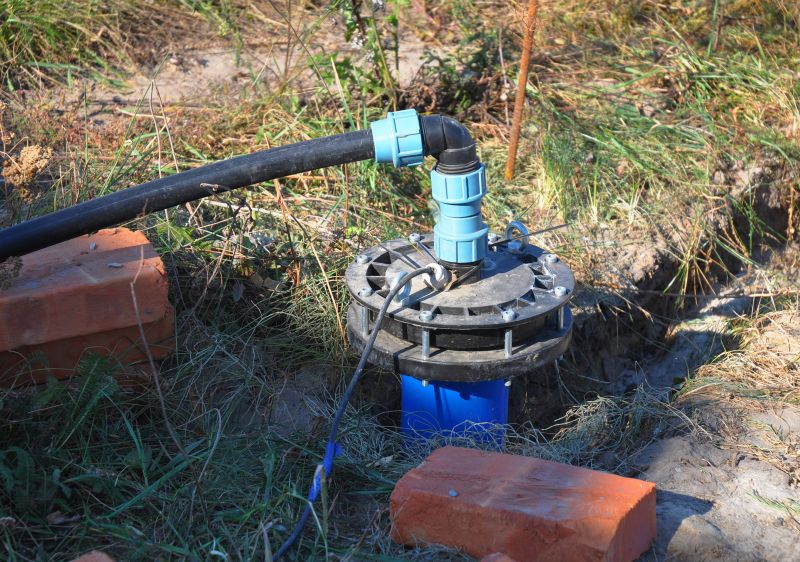
When evaluating potential service providers for drainage pump installation, it is important to consider their experience with similar projects. Homeowners should inquire about how long a contractor has been working in the field and whether they have completed installations comparable in scope and complexity. A contractor's familiarity with local drainage issues and building codes can also be beneficial, as it indicates a deeper understanding of the specific challenges faced in the area. Choosing a provider with relevant experience helps ensure that the installation is performed efficiently and effectively, reducing the likelihood of issues down the line.
Clear and detailed communication is essential when selecting a drainage pump installation professional. Homeowners should seek service providers who can articulate their process, explain the scope of work, and outline what to expect during the project. Having written expectations or a detailed proposal can help prevent misunderstandings and ensure that all parties are aligned on the project’s goals. Good communication also facilitates prompt responses to questions or concerns, making the overall process smoother and more transparent.
Reputable references and reviews can serve as valuable indicators of a contractor’s reliability and quality of work. Homeowners are encouraged to ask for references from previous clients or seek out reviews that highlight the contractor’s professionalism, craftsmanship, and ability to meet deadlines. Additionally, the ability to establish good rapport and ongoing communication with a service provider can contribute to a positive experience. It is important to remember that this site introduces homeowners to local options for drainage pump installation services, providing a curated list of qualified contractors who can handle the project, rather than performing the work directly.
Property owners use Drainage Pump Installation services for practical projects around their homes and businesses. This guide focuses on everyday jobs and straightforward project options.
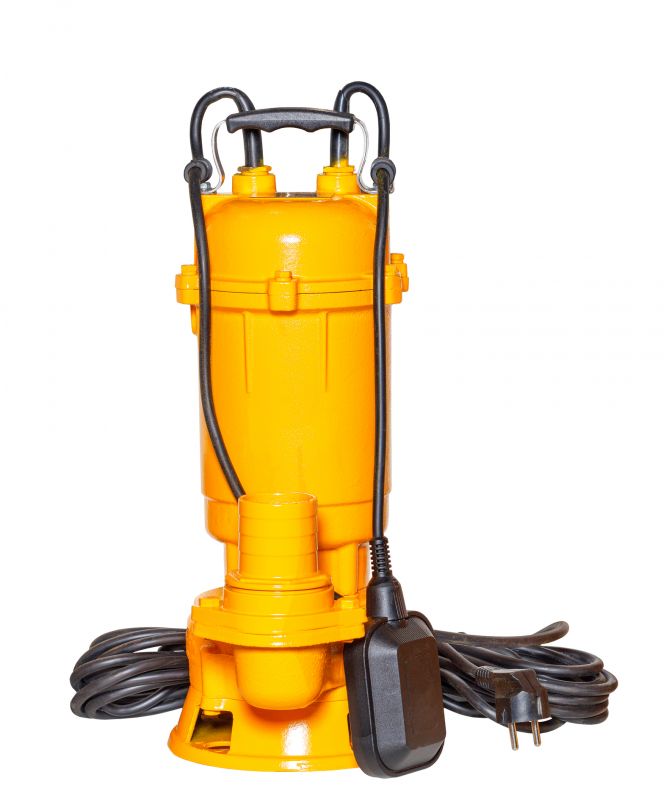
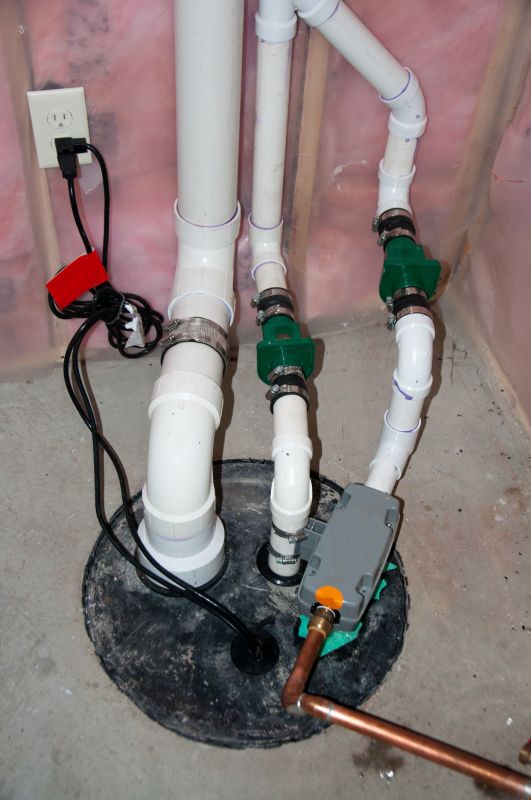
Drainage pump installation services are often needed when property owners face persistent flooding or water accumulation during heavy rainfalls. Whether it's a basement prone to water seepage or a yard that collects excess runoff, local contractors can help install reliable pumps to manage water levels effectively. These projects are common in areas with poor drainage or uneven terrain, making proper pump systems essential for protecting property foundations and maintaining safe, dry outdoor spaces.
Property owners may also seek drainage pump installation when upgrading existing drainage systems or replacing outdated equipment. Installing a new pump can prevent issues like water pooling around the property, basement flooding, or damage to landscaping. Local service providers can assess specific site needs and recommend suitable solutions to ensure efficient water removal, helping to safeguard properties from water-related problems during heavy rains or unexpected weather events.
What types of drainage pumps do local contractors install? Local contractors typically install a variety of drainage pumps, including sump pumps, sewage pumps, and effluent pumps, depending on the specific drainage needs of a property.
How do I know if a drainage pump is suitable for my property? Service providers can assess your property's drainage requirements and recommend the appropriate type and capacity of pump to ensure effective water management.
What is involved in the installation process for a drainage pump? Installation generally includes selecting the right pump, preparing the site, connecting the pump to power and drainage systems, and ensuring proper operation and safety measures are in place.
Are there different installation options for drainage pumps? Yes, options may include basement sump pump installation, outdoor drainage pump setup, or integrated systems for managing excess water in various environments.
What maintenance is required after a drainage pump is installed? Maintenance typically involves regular inspection, cleaning, and testing to ensure the pump operates correctly and to prevent potential failures or blockages.
Basement Drainage Solutions - Installing a drainage pump can help prevent flooding and water damage in basements during heavy rain or snowmelt.
Garden and Yard Drainage - Proper pump installation can manage excess water in gardens, reducing pooling and soil erosion after storms.
Sump Pump Setup for Homes - A sump pump system can protect a property’s foundation by removing groundwater that accumulates around the building.
Stormwater Management Systems - Local contractors can install drainage pumps to improve runoff control and reduce the risk of water-related property issues.
If you are thinking about Drainage Pump Installation for a property, this guide is meant to help you understand the work, the typical project types, and how different options might fit your plans.
When you are ready, you can use the quote form on this page to share a few details about your project. From there, local pros can review the basics and respond with options that match what you have in mind.